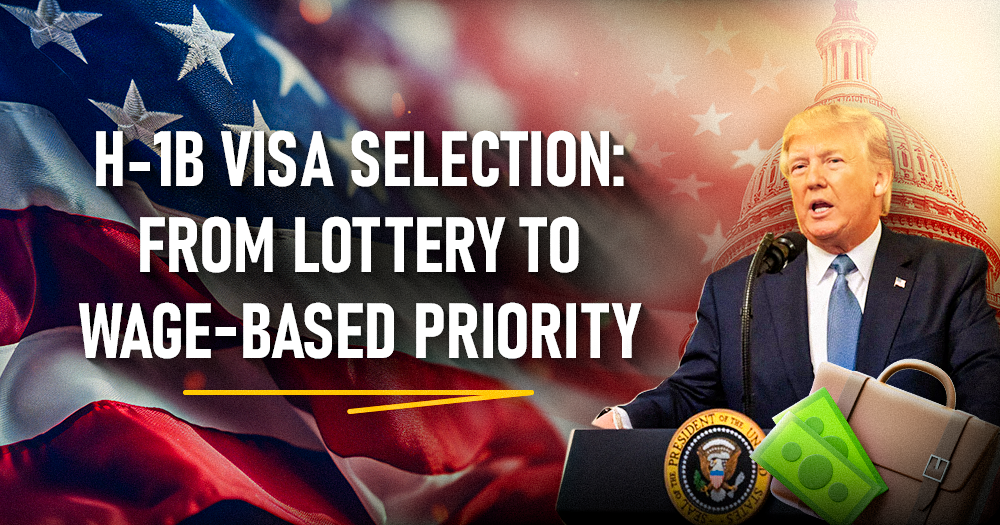
The H-1B visa program is undergoing its most significant transformation in decades. Under the Trump administration’s proposed reforms, the familiar lottery system that has governed H-1B selection would be replaced by a merit-based process that prioritizes applicants according to their offered salaries. While this might seem to reward only the highest earners, the reality is far more nuanced.
The Current H-1B Landscape: Numbers and Competition
Each year, about 480,000 applicants compete for a limited number of H-1B visas—just 85,000 new visas are available (65,000 under the regular cap and 20,000 reserved for U.S. advanced degree holders). In 2025, there were 470,342 eligible registrations, underscoring intense competition.
The existing random lottery treats all eligible applicants equally, regardless of wage level or skill, raising concerns about fairness and the program’s intent to attract highly skilled talent.

| Wage Level | Description | Typical 2025 Salary (USD) | % of Applicants | Estimated Applicants (2025) |
|---|---|---|---|---|
| Level 1 | Entry-level (recent grads, beginners) | $83,000 | 14% | ~65,850 |
| Level 2 | Qualified (some experience) | $108,000 | 46% | ~216,360 |
| Level 3 | Experienced (advanced, senior roles) | $127,000 | 19% | ~89,370 |
| Level 4 | Expert (highly skilled, niche experts) | $151,000 | 12% | ~56,440 |
- Level 4 (highest wage offers)
- Level 3
- Level 2
- Level 1

The Reality Behind the Numbers: Why It’s Not Only About Levels 3 and 4
At first glance, with ~146,000 combined Level 3 and Level 4 applicants competing for 85,000 visas, it may seem all visas would go exclusively to these groups. However, several important factors complicate this:
• Not all registrations convert to approved visas. USCIS selects more applicants than the visa cap (over 130,000 for 85,000 slots) anticipating denials, withdrawals, and non-completions.
• Registrations may include multiple bona fide offers for the same applicant from different employers. A key USCIS rule now limits one registration per applicant per employer to prevent abuse, but applicants can still be legitimately registered by multiple unrelated employers if each offer is genuine.
• Cap-exempt petitions reduce pressure on the capped pool. Universities, non-profits, and research organizations can sponsor H-1Bs outside the 85,000 cap. Some high-wage Level 3/4 applicants qualify here.
• Overlaps and reserved master’s cap complexity. The 20,000 master’s degree reserved visas add layers impacting final distributions.
Thus, while Levels 3 and 4 are prioritized, not every applicant at these levels will receive a visa, and some Level 2 applicants will also be selected if the cap is not fully exhausted by higher wage groups.
Selection Likelihood by Wage Level
| Wage Level | Priority | Likelihood of Receiving Visa |
|---|---|---|
| Level 4 | Highest priority | Very high – most applicants selected |
| Level 3 | High priority | High – many selected |
| Level 2 | Moderate | Some selected if quotas remain |
| Level 1 | Lowest priority | Rare, only if higher wage slots unused |
Winners and Losers in the New Regime
Likely Beneficiaries
• Highly skilled professionals commanding salaries at or above Level 3 and 4
• Tech giants and companies offering premium compensation
• Specialized experts in sought-after niche fields
Likely Challenged Groups
• Entry-level applicants and recent graduates (Level 1)
• Companies relying on lower wage H-1B hiring (Level 1 and 2) such as smaller consultancies and outsourcing firms
• Employers unable or unwilling to match the salary thresholds of higher wage levels
Final Thoughts: A More Competitive but Fairer System
The proposed salary-based H-1B policy represents a significant shift aimed at aligning visas with skill and compensation, reducing randomness, and prioritizing top talent. While Level 4 and Level 3 applicants have strong chances, the final visa allocation won’t strictly exclude Levels 2 or 1 due to application dynamics, cap exemptions, and USCIS selection practices.
For employers and applicants alike, the message is clear: higher salaries correspond to higher chances of securing an H-1B visa. Aspirants should focus on building skills that justify premium wages, and companies must be prepared to compete on salary to attract top global talent in this evolving landscape.